
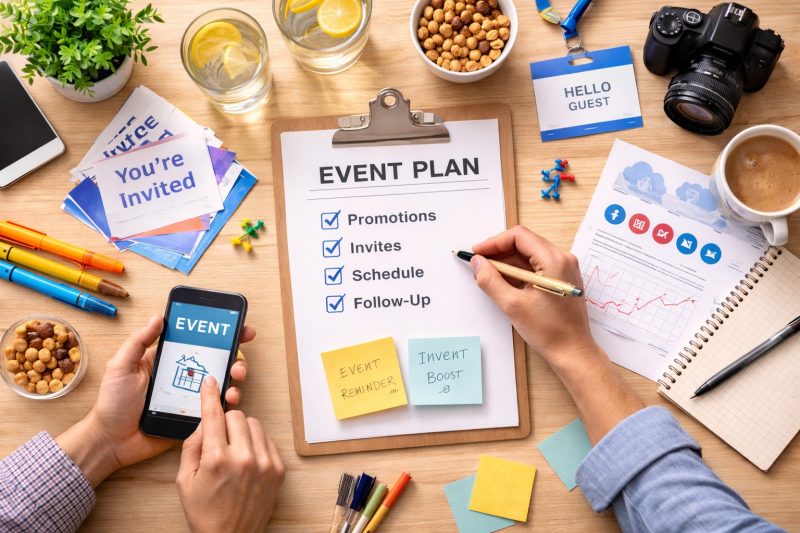
Hosting an event can be one of the best ways to connect with your audience in a more personal and memorable way. Whether it is an open house, workshop, networking event, product launch, fundraiser, or community pop-up, events give businesses a chance to build trust, create real relationships, and stay top of mind.
But planning the event itself is only part of the job.
Even the best event can fall flat if people do not know about it, do not feel motivated to attend, or leave without any clear next step. Good event marketing is what turns an event from a one-time gathering into a real business opportunity.
Here is how to market your event before, during, and after so it creates momentum for your brand and helps move people closer to becoming customers, clients, donors, or referral partners.
Before the Event: Build Interest Early
One of the biggest mistakes businesses make is waiting too long to start promoting an event. By the time everything is finalized, there is often very little time left to build awareness and drive attendance.
Start by getting clear on the basics:
- what the event is
- who it is for
- why someone should attend
- when and where it is happening
- what action you want people to take
Your message should make the value of the event obvious. People are busy, and they need a reason to show up. Are they going to learn something useful? Meet people in their industry? Get exclusive access to a sale, launch, or offer? Experience your business in person?
Once your messaging is clear, make sure your event has a strong online home. That could be a dedicated event page on your website, a landing page, or at the very least a well-designed registration page. It should include the event details, a clear call to action, and an easy way to RSVP, register, or contact you.
From there, promotion should happen across multiple channels. That might include:
- social media posts and countdowns
- email invitations
- event listings
- paid ads
- partner or sponsor shoutouts
- direct outreach to clients, leads, or community contacts
The most effective event marketing campaigns do not rely on one post and hope for the best. They create repeated visibility in the weeks leading up to the event.
Use Social Media to Create Momentum
Social media can play a major role in event promotion, especially for local businesses and organizations trying to increase awareness in their community.
Rather than posting the same graphic over and over, think about creating a simple event content plan. You might share:
- the event announcement
- what attendees can expect
- behind-the-scenes planning
- speaker or vendor features
- reminders as the date gets closer
- FAQs such as parking, timing, tickets, or who should attend
This helps keep your event visible while also giving people more reasons to engage.
If the event is important to your business, consider putting a small budget behind it with paid social ads. Even a modest campaign can help boost reach and get the event in front of the right local audience.
Do Not Forget Email Marketing
Email is still one of the most effective ways to promote an event, especially if you already have a list of customers, clients, subscribers, or supporters.
A good event email should be clear, direct, and focused on the benefit of attending. Depending on your timeline, you may want to send:
- an initial invitation
- a reminder email
- a last chance or final call email
If the event requires registration, make that process as simple as possible. The more steps people have to take, the more likely they are to drop off.
This is also a great opportunity to segment your list. For example, current clients may need a different invitation than new leads, community members, or past event attendees.
During the Event: Capture the Opportunity
Once the event begins, your marketing does not stop.
This is your chance to create content, strengthen your brand, and make the experience more memorable for the people who attend. Make sure your branding is visible in a polished but natural way, whether through signage, handouts, presentation slides, name tags, product displays, or booth materials.
Take photos and video throughout the event. Capture the atmosphere, the people, the details, and the moments that show energy and connection. This content can be used later on social media, in future promotions, on your website, and in email follow-up.
It is also important to think beyond attendance. What do you want people to do next? Depending on the type of event, that might mean:
- booking a consultation
- signing up for your email list
- requesting a quote
- visiting your website
- making a purchase
- donating
- attending another event
A strong event should not end with “thanks for coming.” It should lead naturally into the next step.
After the Event: Follow Up While It Is Fresh
This is the stage many businesses skip, but it is where some of the best return on effort happens.
After the event, follow up while people still remember you. That might include:
- a thank-you email
- a recap post on social media
- event photos
- a short highlight video
- a special offer or call to action
- a follow-up message to attendees, leads, or partners
You can also repurpose event content into ongoing marketing. One event can create weeks of useful content if you plan it well. Photos, testimonials, clips, takeaways, and behind-the-scenes moments can all help extend the life of the event long after the day itself is over.
This is also the time to review what worked. Where did registrations come from? Which social posts got the most engagement? Did your emails perform well? Did people take the next step you wanted?
The more you learn from each event, the stronger your next one will be.
Event Marketing Works Best When It Is Connected
The most successful events are not promoted in isolation. They are part of a bigger marketing strategy.
Your website, email marketing, social media, paid ads, signage, messaging, and follow-up should all work together. When those pieces are connected, your event becomes more than a date on the calendar. It becomes a tool for visibility, relationship building, and business growth.
At Van Patter Group, we help businesses create smart marketing strategies that support their goals online and offline. If you are planning an event and want help promoting it before, during, and after, we would love to help.
Contact us at heather@vanpattergroup.com or visit vanpattergroup.ca to learn more.
A small business can promote an event through social media, email marketing, a dedicated event page, paid ads, community partnerships, and direct outreach to existing clients or leads.
It is best to start marketing an event several weeks in advance so you have enough time to build awareness, share reminders, and increase registrations or attendance.
After a business event, follow up with attendees through email, social media recaps, photos, video highlights, and a clear next step such as booking a consultation or joining your email list.
Event marketing helps small businesses build trust, connect with their community, create content, and turn in-person interactions into future business opportunities.